Our Interconnection Process

Image
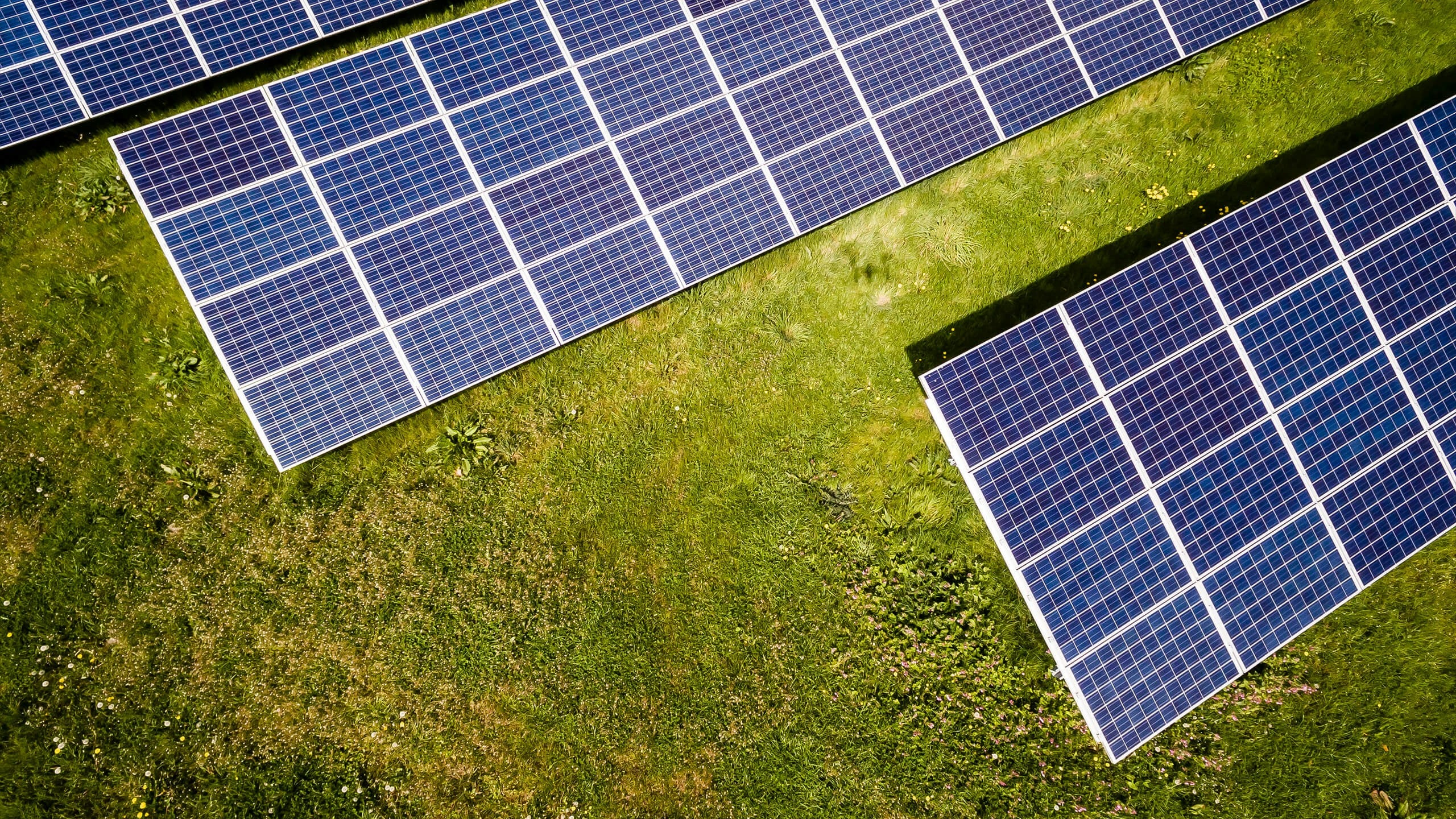
Solar Energy

Connecting Your Solar or Distributed Generation to Our System

As your electric cooperative, we are committed to helping you navigate the process of installing safe, reliable, and compliant distributed generation (DG)—such as rooftop solar, wind, or battery storage.

Interconnecting your generation system with our electric grid requires careful planning to ensure the safety of our line crews, the reliability of our system, and the proper billing of your generated power. Below is everything you need to know to get started.

Image
1

Before You Buy: 
Do Your Homework

Before signing a contract with a solar installer, we highly recommend taking the following steps:

  • Review Your Energy History: Look at your past year of electric bills to understand your actual energy usage. Systems should be sized to fit your historical consumption, not over-sized.
     
  • Verify Contractor Credentials: Ensure your installer is licensed, insured, and familiar with our cooperative's specific interconnection requirements and local building codes.
     
  • Contact Us First: Reach out to our engineering department before making financial commitments. We can help you understand how solar will impact your specific rate structure.

Key Interconnection Requirements

To protect our grid and the public, all interconnected systems must meet strict safety and technical standards:

  • Approved Inverter: Your system must use a utility-interactive inverter certified under UL 1741 and comply with IEEE 1547 standards. This ensures that if the cooperative experiences a power outage, your system will automatically shut down and not back-feed electricity onto dead lines, which poses a fatal risk to our line crews.
     
  • Visible Disconnect Switch: A manual, lockable, visible-break disconnect switch must be installed outside near your electric meter. This switch must be accessible to cooperative personnel at all times.
Image
2
Image
3

Step-by-Step Interconnection Process

[Step 1: Application] ➔ [Step 2: Engineering Review] ➔ [Step 3: Agreement & Installation] ➔ [Step 4: Inspection & Metering]
 

  • Step 1: Submit the Interconnection Application
    Your installer must submit a formal Interconnection Application prior to beginning construction. To balance grid reliability with member generation, systems must adhere to our standard capacity limitations:
    • Residential Systems: Limited to a maximum capacity cap of 10 kW.
       
    • Commercial Systems: Limited to a maximum capacity of 125% of the peak demand for the commercial application.
       
    • The application requires detailed technical specifications about your system, including the system capacity rating (AC and DC kW), inverter manufacturer and model, and a one-line electrical diagram of the proposed installation.


  • Step 2: Engineering Review
    Our engineering team will review the application to ensure the system complies with safety standards and that the local grid infrastructure (such as the transformer serving your home) can safely handle the added capacity.


  • Step 3: Sign the Interconnection Agreement
    Once approved, the member and the cooperative will sign a formal Interconnection Agreement. This document outlines the operational rules, rates, and ongoing responsibilities of both parties.


  • Step 4: Installation & Local Inspection
    Your contractor installs the system. Once installation is complete, it must pass a local county or city electrical inspection. You must provide us with proof of this passed inspection.


  • Step 5: Co-op Inspection & Meter Upgrades
    Our technicians will perform a final site inspection and test the automatic safety shut-off. We will then install a bi-directional meter capable of measuring both the energy you pull from the grid and the excess energy you send back.


⚠️ CRITICAL SAFETY NOTE: Do not turn your generation system on until the cooperative has performed its final inspection, swapped your meter, and granted explicit Permission to Operate (PTO).

Rates and Billing

Our distributed generation billing structure is designed to be fair to both the generating member and the membership as a whole.

  • Bi-Directional Metering: You will be billed for the net energy you consume from the grid during times your system isn't producing enough power (like at night).
     
  • Excess Generation: Any excess electricity your system feeds back into our grid will be credited to your account at our established distributed generation energy rate, as detailed in our current tariff schedules.
     
  • Monthly Facilities Charge: All members, including those with solar, continue to pay the standard monthly base charge to cover the fixed costs of maintaining the poles, wires, and transformers that keep you connected to backup power 24/7.
Image
4

Ready to Get Started?

Download our Application for Interconnection of Distributed Generation, Distributed Generation Facility Interconnection Agreement, and review our Distributed Generation Policy.

If you or your installer have any questions, please contact Member Services at 800-342-0134. We are here to help you make your green energy project a safe success!